|
Least Resistance Training Concepts
|
|
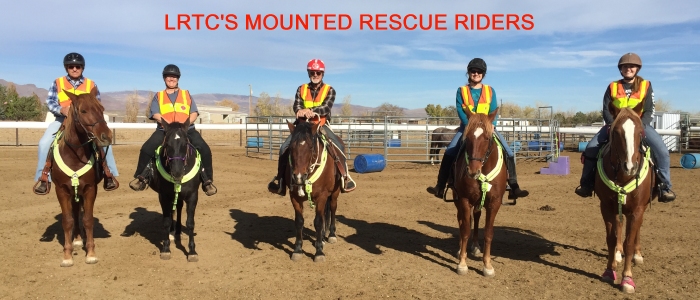
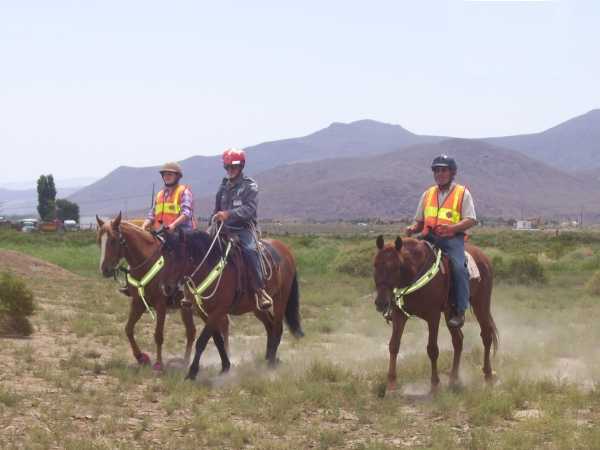
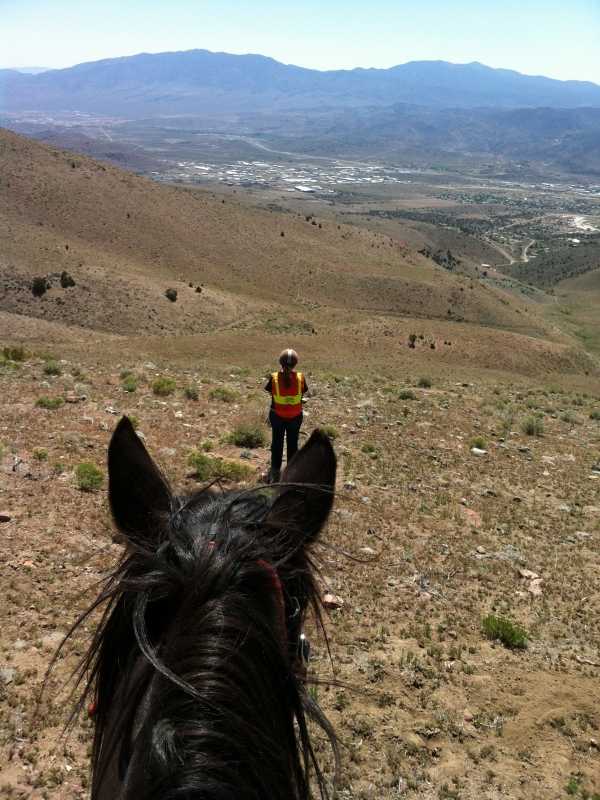
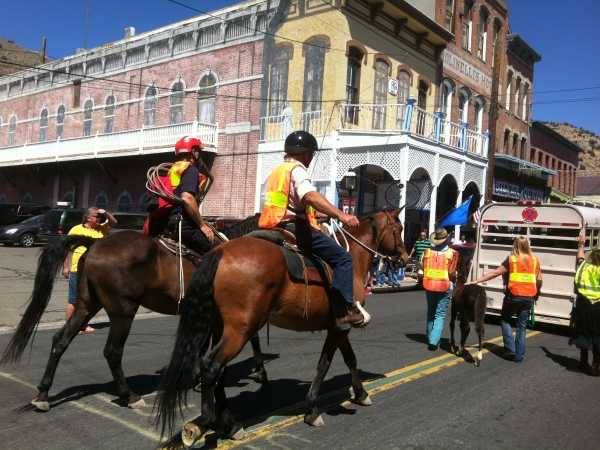
Nevada is an incredible state but it has a number of challenges when it comes to horse safety in emergencies. A high percentage of suburban and rural residents own horses and many areas are at risk of fast moving wildfires, flash floods and general flooding. The terrain is rugged and access can be difficult during emergencies. Since 1989 LRTC has trained and operated a horse emergency response team (H.E.R.T.) that has been utilized for many types of horse emergencies.
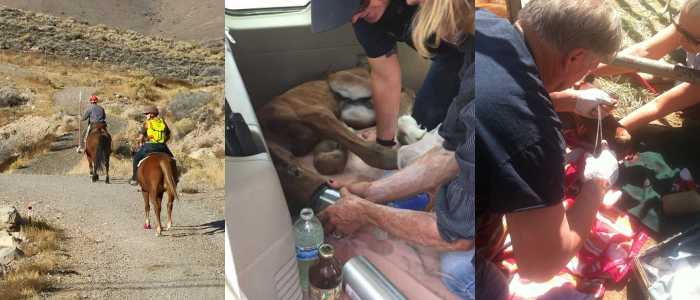
Rescuing a range foal whose dam died of West Nile Virus.
|

| Equipment Inventory |
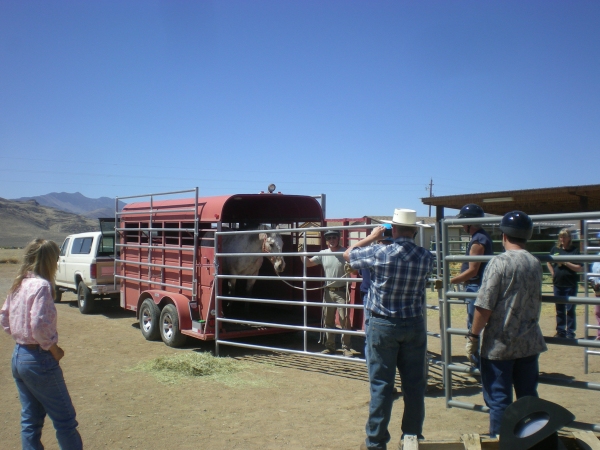
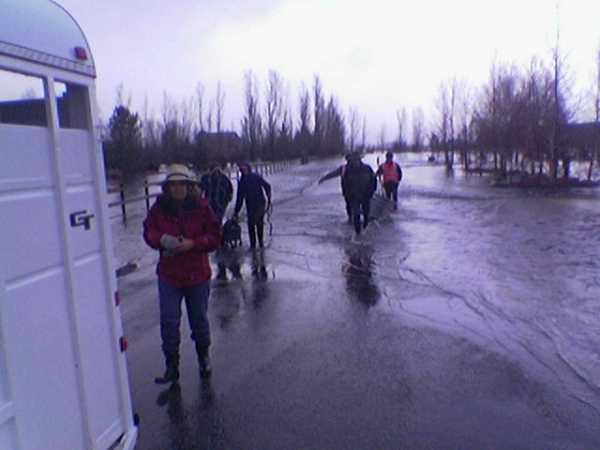
Horse trailers permanently assigned to the team include four stock type trailers capable of "rough road" service. They each have the capacity to haul four large horses and up to 12 weanlings. Three of the trailers can be divided by ceiling-to-floor dividers into separate compartments for transporting horses that are not compatible with each other. Two trailers are equipped with loading / holding panels that can be used to safely load difficult horses or establish temporary holding corrals. One trailer has storage for specialized equipment, veterinary supplies, cattle marking crayons, etc.
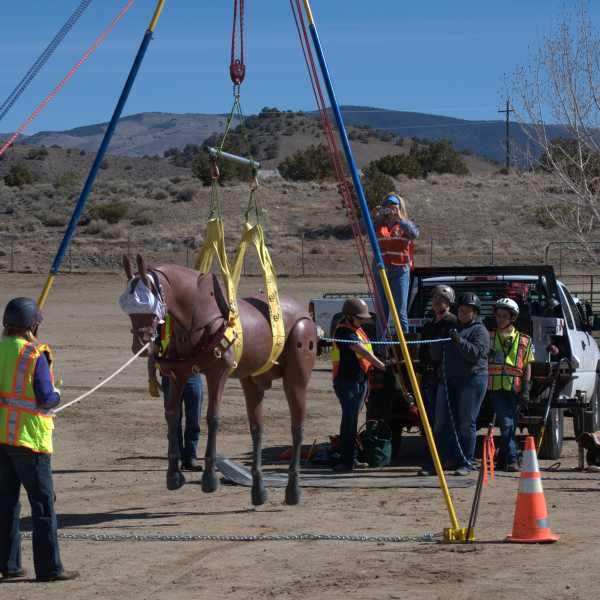
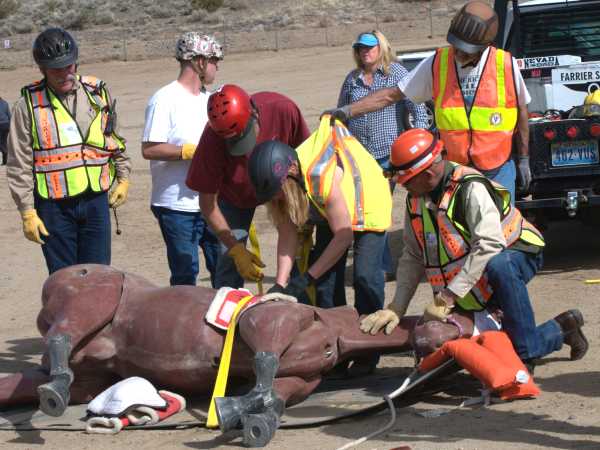
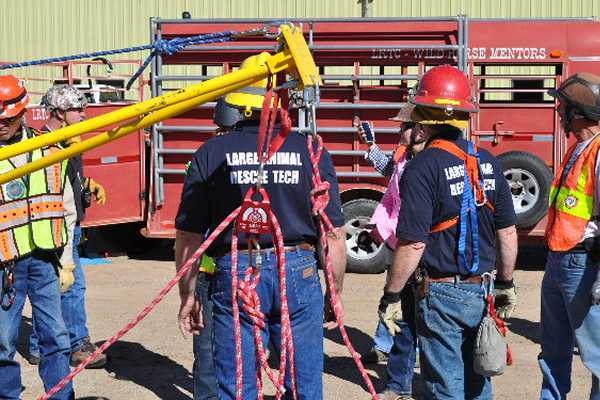
Technical Large Animal Rescue Training in Douglas County.
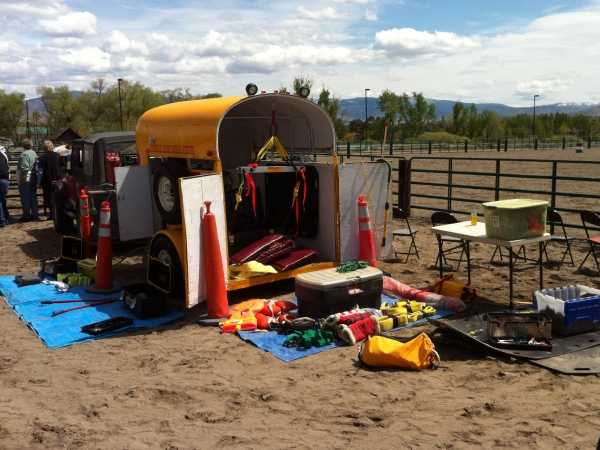
Technical Rescue Trailer (Rescue 3)
Rescue 3 carries a wide variety of rescue, extrication and aid tools and equipment, including personal safety gear. It is typically pulled by the Jeep that also carries tools and supplies.
Cashing out the rescue gear.
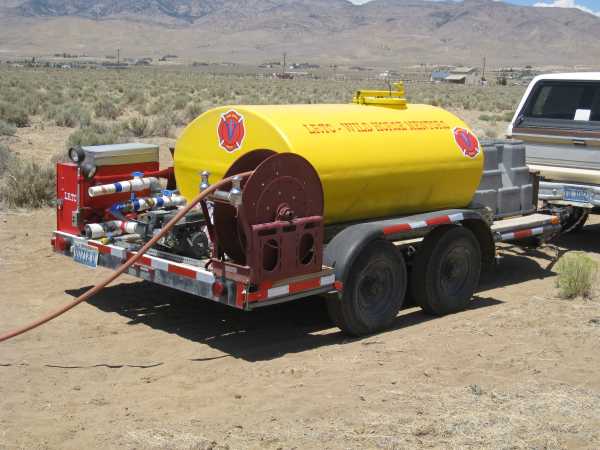
Portable Water Supply Trailer
The PWS is a 400 gallon military spec water trailer with pump and portable water tank, specialized water powered rescue gear, specialized air powered rescue gear, defensive firefighting hoses and tools and a portable stock tank for use during temporary sheltering of animals. The PWS can also draft from ponds or streams.
Supplying water powered rescue equipment.
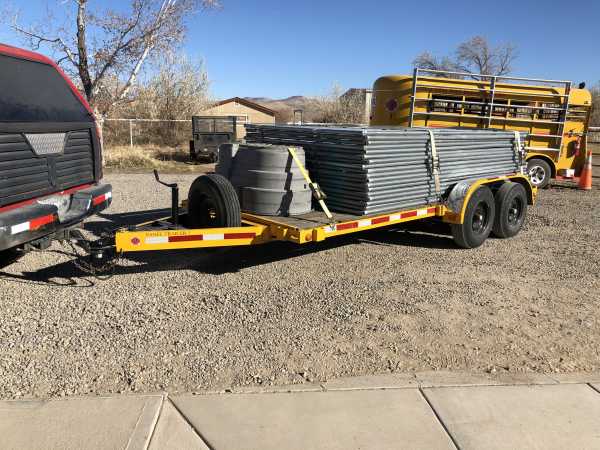
Portable Corral Panel Trailer
The Portable Corral Panel Trailer is a flat bed trailer typically stocked with 168 feet of portable corral panels and a second flat bed trailer that can transport hay, supplies or an additional cache of portable corral panels.
Dedicated portable corral panel trailer.
This and other response equipment are described in greater detail on the Strike Team LRTC page. Specialized transport
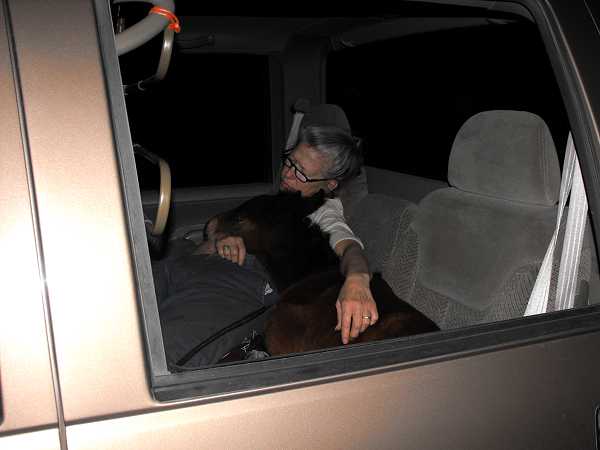
Specialized transport for neonatal and injured foals is provided by means of specially configured trailers as well as a crew cab pickup with a "foal cage" located behind the front seats.
Relocating an orphaned foal at the end of a long day.
| Support Supplies |
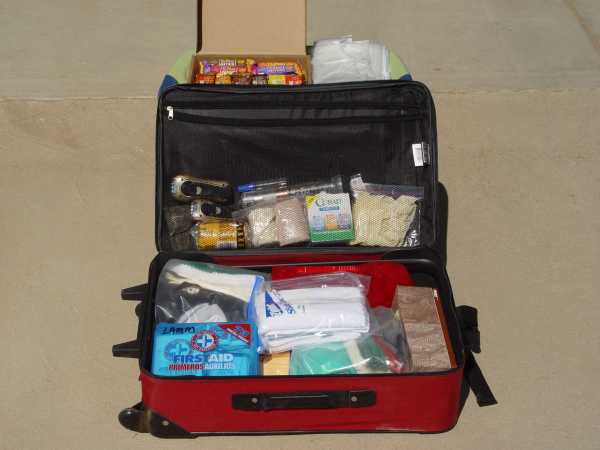
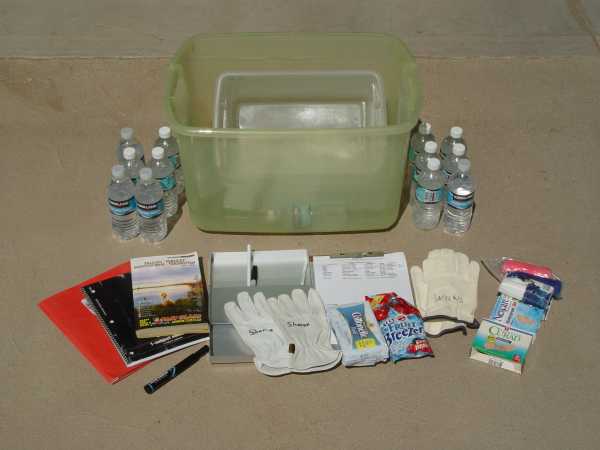
| Field operations are supported by a cache of supplies. Included are: |
|
Rapid deployment supply locker.
|
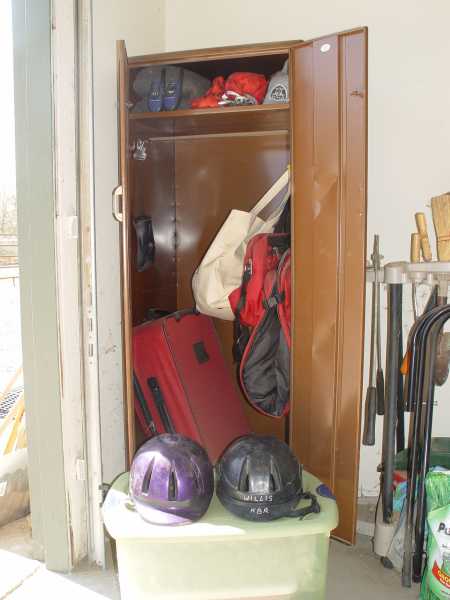
Plus a host of miscellaneous supplies. In addition the team has available a variety of plastic and cardboard portable dog and cat crates of various sizes.
"Jump" bag.
|